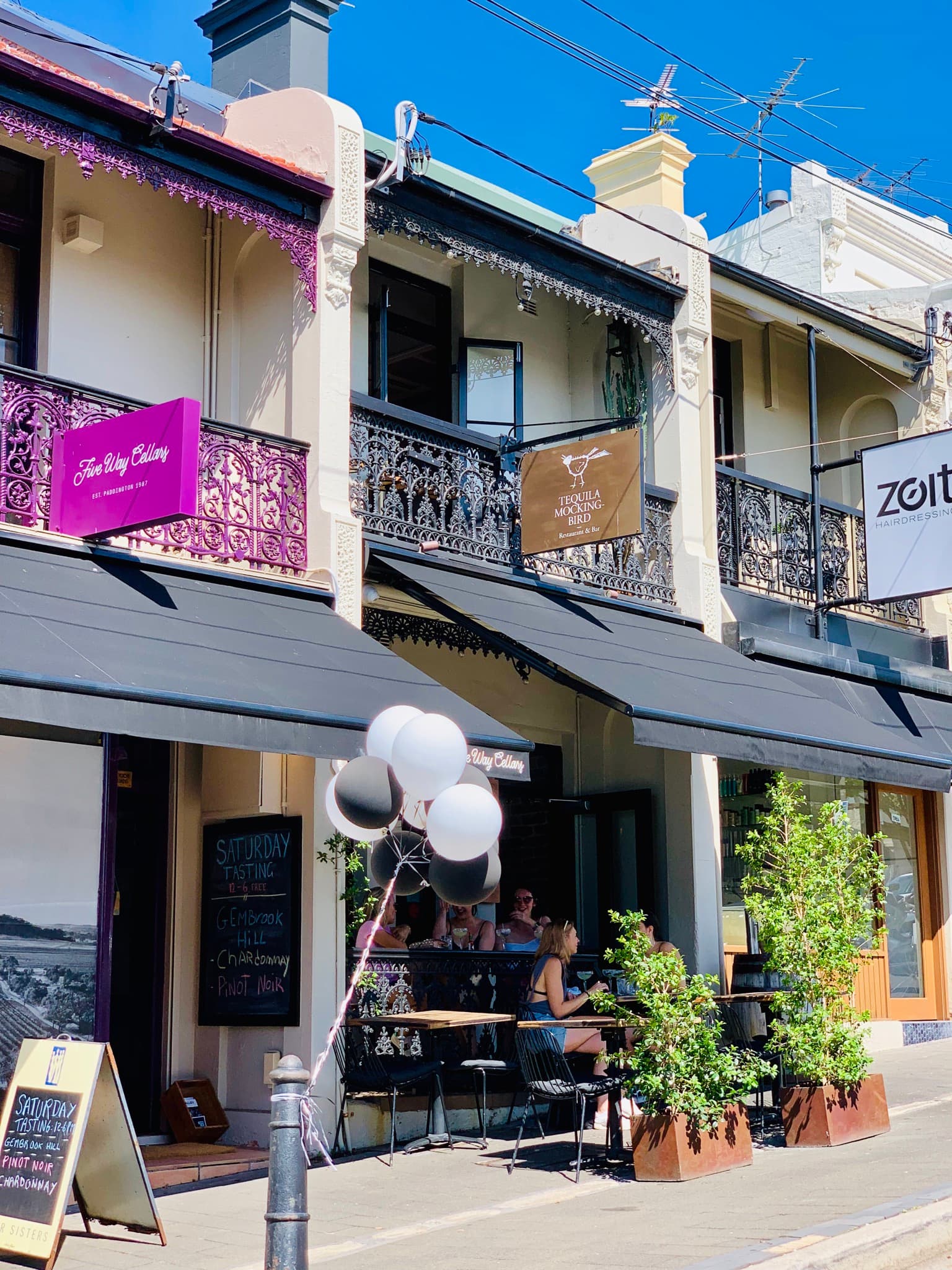
Sydney is the Australian market that still treats Saturday morning as a spectator sport. You can stand on a Paddington footpath and hear two auctioneers at once. You can drive twenty minutes west and find a quiet private-treaty campaign on a brick house that will never see a crowd. Both are Sydney. The job of a buyer's agent is to know which one you have walked into, and to keep you from paying harbour-adjacent money for a western-suburbs problem — or the reverse.
The city sits at the expensive end of the Australian market. That is a qualitative fact, not a median you should treat as a quote. A family house that would be a stretch in Adelaide or a comfortable buy in regional New South Wales can be an ordinary, fully priced purchase inside the Sydney basin. Stamp duty, strata levies and the agent's own fee sit on top. Anyone who briefs a search against last year's dinner-party number is already behind.
This guide is part of our city series. It is not a suburb ranking. Paddington, Marrickville, Parramatta and Cronulla appear here as examples of how the work changes, not as a league table.
The licence sits with NSW Fair Trading
Before you talk suburbs, talk the ticket. In New South Wales the regulator is NSW Fair Trading. A buyer's agent is a real estate agent. They must hold the relevant licence, or work under one, in the state where the property sits. A charming operator with a Melbourne shopfront and a Canva authority is not licensed to bid for you in Surry Hills.
Check the name on the licence register against the name on the authority, and against the person who will actually stand on the nature strip. Certificates of registration exist; they are not a substitute for a supervising licensed agent. If the firm cannot tell you, in one sentence, who holds the licence and where you look it up, end the meeting.
Fair Trading's consumer material is blunt on the conflict that matters: the agent works for the buyer. They must not also act for the seller on the same property. "We know the listing agent" is a network. "We also take a fee from the vendor" is a different trade.
Auction is still the house style
Sydney did not invent the auction, but it industrialised it. Inner, eastern and lower-north campaigns often go to the hammer because vendors have been trained to expect a crowd, and because selling agents can point to a Saturday as proof of heat. Further west — think a brick-and-tile street near Parramatta, or a new townhouse in the south-west — you will see more private treaty, more price guides that actually behave like prices, and more room to write conditions.
Using a buyer's agent at auction is the product many Sydney buyers actually need. The search is optional. The person who will not freeze when a vendor bid is announced, and who will not invent a bid above your written limit, is not optional if you already know you go quiet under pressure.
A few Sydney-specific habits are worth having in your head. Price guides on auction campaigns are marketing, not valuations. Vendor bids must be announced; they are still bids. There is ordinarily no cooling-off on a property you buy at auction. Your building and pest reports, and your conveyancer's read of the contract, have to happen before the auctioneer asks for an opening. A buyer's agent who books those for the Friday afternoon of a Saturday auction is not running a campaign. They are running a hope.
Private treaty is not a softer city. In a tight week a "for sale" listing in the inner west can still attract three offers by Wednesday. The difference is that you can usually write conditions, and you can usually walk away during cooling-off if the state rules allow it. The buying process does not change its legal bones because the suburb has a better bakery.
What the housing stock actually is
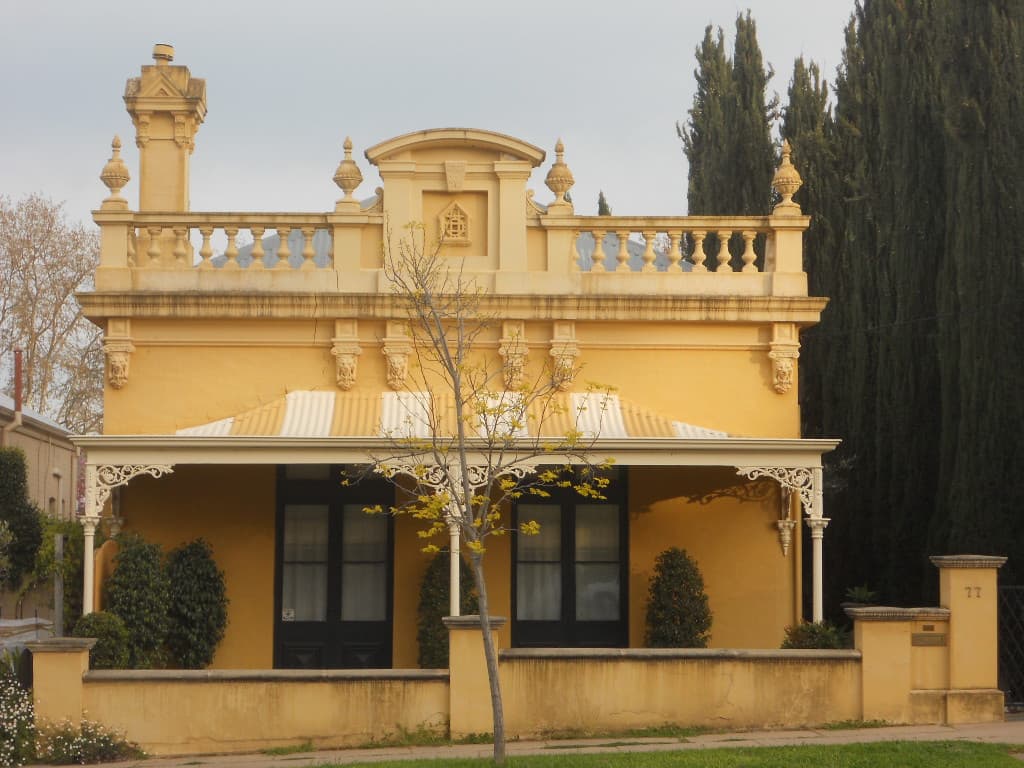
Speak in types, not trophies. A terrace in Paddington is a narrow, often heritage-constrained building with a laneway, a damp course that may be tired, and a strata or Torrens question you should not guess. A Federation or Californian bungalow in the inner west can look generous on a floorplan and live dark. A 1960s walk-up in Bondi or Coogee can have a better aspect than a new tower and a worse sinking fund. A family house near the Parramatta River is a different brief from a family house near the beach, even if both have four bedrooms on the portal.
Strata is not a footnote in Sydney. A large share of purchases in the east, the lower north and the CBD fringe are apartments or townhouses. A useful agent will read the minutes, the levies and the special-levy gossip with the same attention they give a roof. They will also tell you when a "three-bedroom" apartment is two bedrooms and a study no adult will sleep in.
Water views, school catchments and a walk to a station are the three brief-killers. People name six suburbs and one of those constraints, then discover the budget only works if they drop two of them. A good Sydney agent will do that arithmetic in the first week, not the sixth.
How a search actually runs here
A full-service engagement in Sydney looks like the national pattern, compressed. The brief is written. The last quarter of comparable sales is walked, street by street, not suburb-median by suburb-median. Properties are rejected. A short list is inspected. Contracts go to your conveyancer. Inspectors go through the roof space. Then someone bids, or someone makes an offer that can be explained with sales.
The compression comes from the calendar. An auction campaign can be two weeks of opens and a Saturday. If you are flying in from Perth or Singapore, you cannot "see how you feel on the day." The agent has to have already seen the house, already priced it, and already written the limit. Interstate and overseas buyers are a large part of why Sydney firms exist. They are also the buyers most likely to be sold a suburb they will hate in July, when the southerly hits a west-facing glass box.
Off-market stock is part of every Sydney pitch. Treat it as a method. A terrace that never hits Domain can still be fully priced, and in this city it often is. The advantage is time and a shorter queue, not a secret discount.
Fees in a higher-priced city
How much a buyer's agent costs is a national question with a Sydney multiplier. Industry association commentary has long put a typical full-service fee in a band around 2 to 3 per cent of the purchase price plus GST, or a fixed fee instead. That is a reported band, not a quote. On a higher Sydney price, a percentage contract is a large cheque. A fixed fee can look modest or greedy depending on the house.
Ask for a single price including GST. Ask when the engagement fee is due, whether it is credited against the success fee, and what happens if you buy a house they never showed you. In a city this expensive, a vague authority is how people pay a success fee on a property they found themselves on a Wednesday night.
Negotiation-only and auction-only retainers are common here for a reason. Many buyers have already done the searching. They need a bidder, or a person who will put a number on a page that is not their emotional ceiling.
When you need one, and when you do not
Hire one if you cannot be in the city for the opens; if you have already gone mute at an auction; if you are buying an investment in a pocket you do not walk; or if you need someone who will tell you that the Paddington terrace and the Marrickville semi are not interchangeable just because both have a fireplace in the photo.
Skip the full search if you have already found the only house you will buy, the campaign is a quiet private treaty, and you have a sharp conveyancer. A Saturday bidder may still be worth a smaller fee. A six-week "we will find you something special" retainer may not.
Either way, start with the licence, the conflict, and a written brief that includes stamp duty and the fee. Sydney will not become cheaper because you hired a charming person. It will become more navigable if that person is licensed by NSW Fair Trading, paid only by you, and willing to be the unpopular one when the auctioneer looks at your paddle.