Adelaide is the capital that still surprises people who arrive with a Sydney or Melbourne calendar in their head. The city is smaller. The inner and middle rings do not produce an endless Saturday list. When a sound stone cottage in North Adelaide or a villa toward Unley comes up, the competition can be sharp — not because Adelaide has become another Sydney, but because the stock is thinner and the people who want that building already know the street.
A buyer's agent here is often less a hunter of secret suburbs and more a person who hears about the house in time, prices it against a short set of genuine sales, and writes an offer before the listing has been loved to death on a Facebook group. Prices typically sit below the larger east-coast capitals. That is a qualitative observation, not a median, and it is not a reason to brief casually. Stamp duty and the fee still sit on top, and a "cheaper city" story is how interstate buyers overpay for the first bluestone they see.
This piece is part of our city series. North Adelaide, Norwood, Glenelg and Stirling appear as examples of stock and geography. They are not a best-suburb list.
SA Consumer and Business Services holds the register
The regulator is SA Consumer and Business Services. A buyer's agent in South Australia is doing regulated real-estate work and needs the correct state licence. A Victorian or New South Wales ticket, a national association membership, or a "we can help in Adelaide too" line from an interstate firm is not a licence to negotiate a Prospect bungalow.
Check the name on the CBS register against the authority and the person who will call the selling agent. Ask who supervises a registered salesperson. Ask whether the same office also lists property. The conflict rule does not relax because the city is smaller. If anything, a tighter market makes dual relationships more tempting and more visible. You want that answer in writing.
CBS consumer material is worth reading for the Form 1 vendor disclosure and for cooling-off on the kind of contract you are actually signing. Your conveyancer owns that advice. The agent should know enough to get the document to the lawyer early.
Tight stock is the working condition
"Tight stock" is not a slogan. It is the weekly experience of a smaller capital. Inner and middle Adelaide — the stone cottages, the villas, the Californian bungalows, the handful of good apartments near the Park Lands — do not turn over like a Melbourne tram suburb. People stay. Houses stay in families. When something credible is listed, the buyers who have been waiting do not need a portal alert. They already have the selling agent's mobile.
That is why a relationship-sized market can still feel frantic on a particular listing and sleepy on the next. A buyer's agent who only recites "Adelaide is affordable" is not looking at the street. A useful one will tell you that this villa will be a contest, and that the brick house five kilometres out will not, and they will have sales for both claims.
Tighter stock also changes the off-market conversation. In Adelaide, off-market is often simply the ordinary way a house changes hands: a call to two or three known buyers before a board goes up. That can be an advantage if your agent is one of the people who get the call. It is not a discount aisle. A stone house that never hits a portal can still be fully priced, because the vendor already knows there is a queue.
Stone, villa, bungalow — inspect the building you are buying
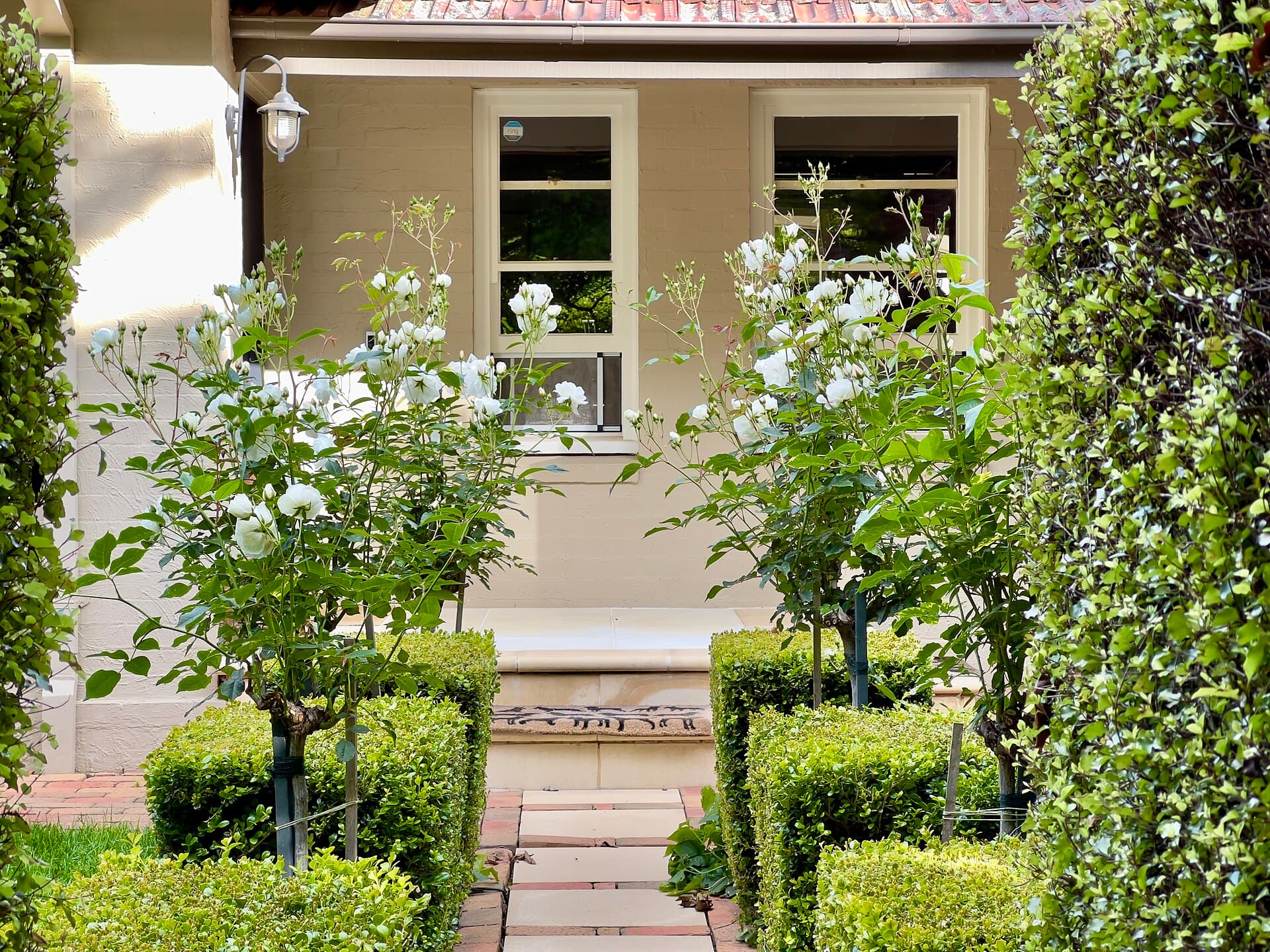
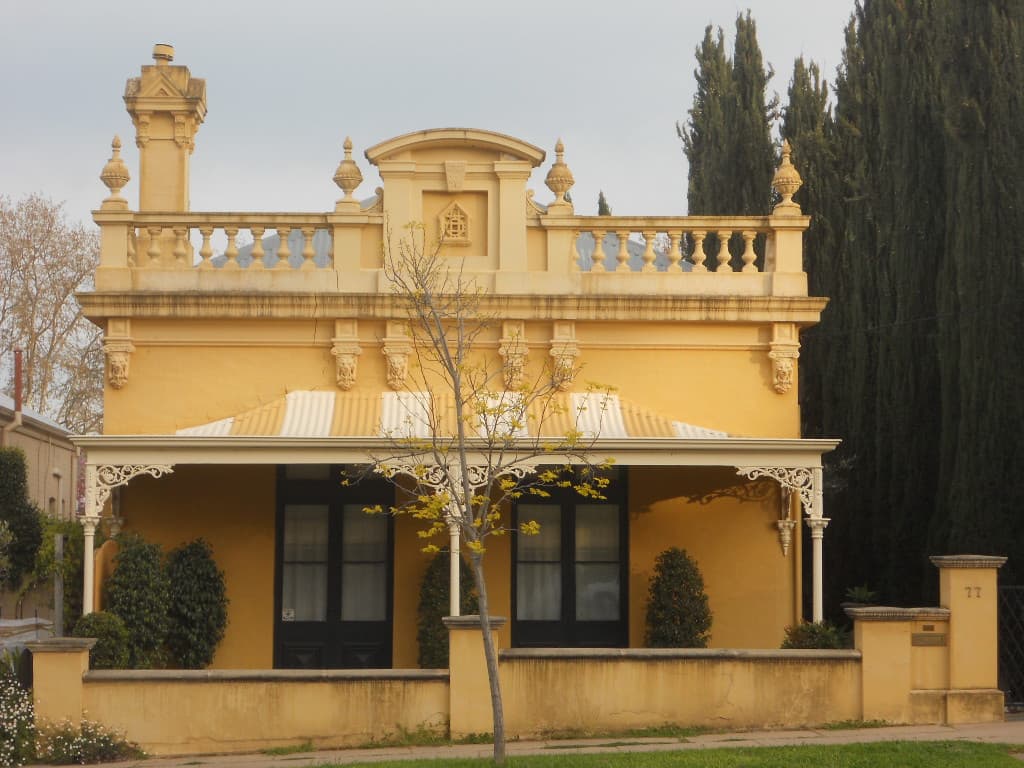
Adelaide's older housing has a look people travel to photograph: bluestone and sandstone cottages, double-fronted villas, verandahs, and a ring of Park Lands that still organises how the inner suburbs sit. A cottage in North Adelaide is a heritage and damp conversation as much as a lifestyle one. A villa toward Norwood or Unley can have a generous front room and a rear that has been extended in every decade since the 1920s. A bungalow in Prospect or a 1930s house further out can be the more practical brief and still need a serious roof and termite look.
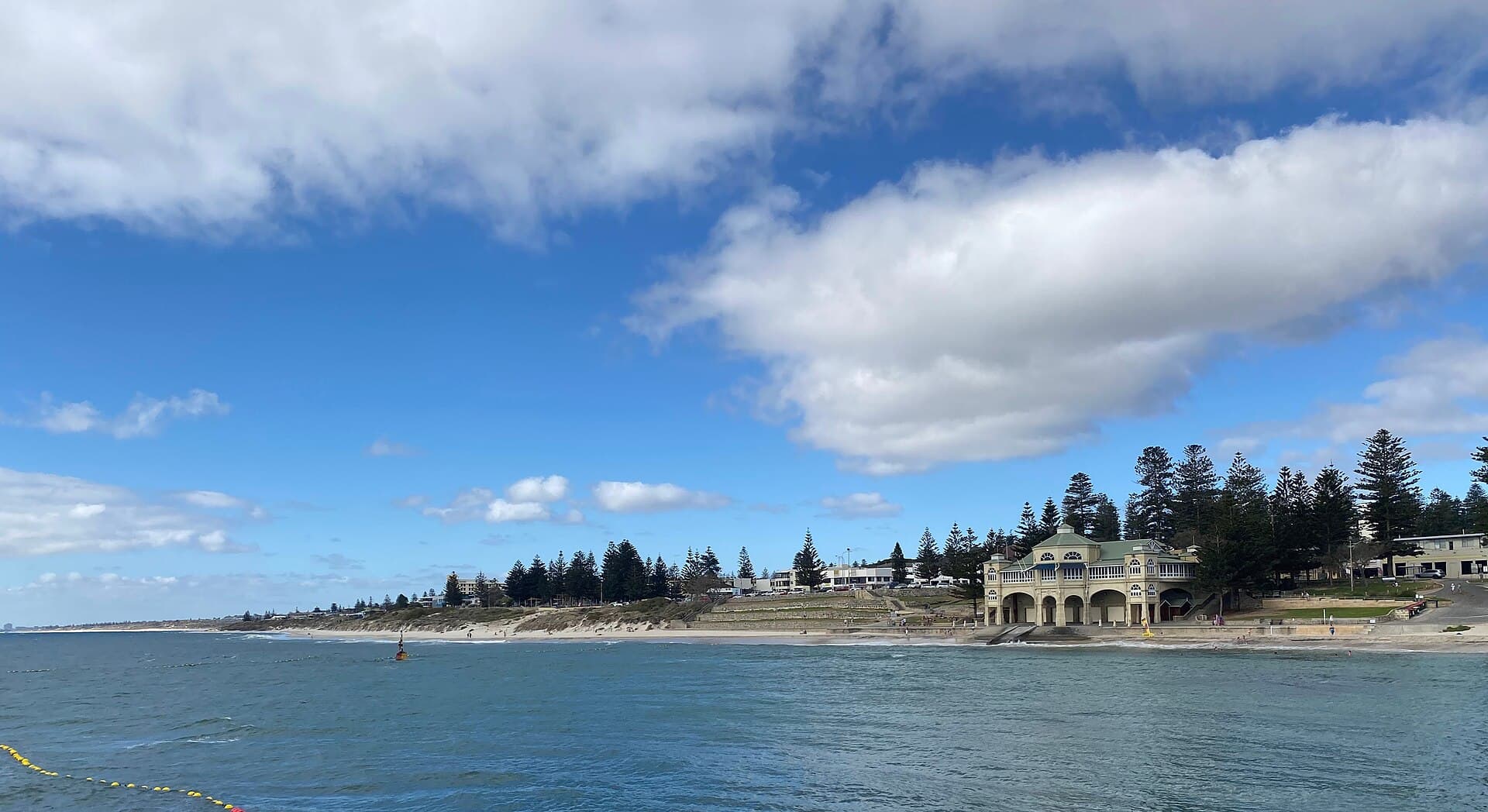
Then there is everything else. Beach stock toward Glenelg or Brighton — salt, older flats, a different weekend buyer. Hills stock toward Stirling — trees, colder winters, bushfire conversation, a drive that is a drive. Newer estates on the northern and southern edges — more land, thinner resale history, a commute the map will flatter. None of these is a lesser Adelaide. Each is a different inspection.
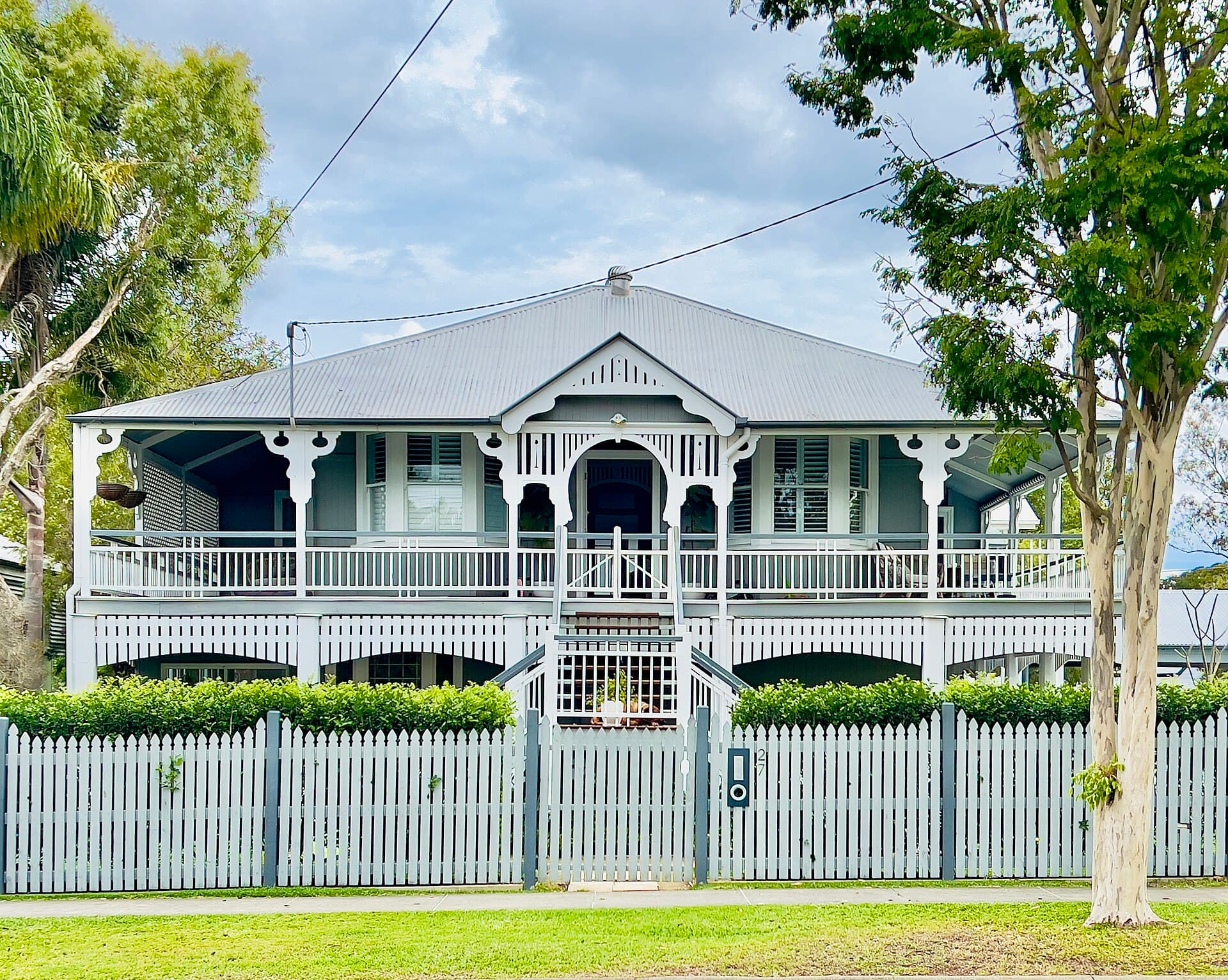
Heritage overlays and character rules are not trivia. A buyer's agent who says "you can always add a second storey" without walking the overlay is selling a renovation that may not exist. Book the building inspector who has seen rising damp in stone, not only timber pests in a Queenslander.
How a campaign feels when the list is short
Private treaty is still the everyday method for a lot of Adelaide stock. Auctions appear when a selling agent wants a crowd on a particular inner house, and using a buyer's agent at auction is then the right extra pair of hands. It is not the default city ritual that it is in Sydney. Confirm the method for the listing in front of you.
Because the credible list can be short, the buying process here rewards being ready rather than being everywhere. Contract to the conveyancer early. Inspector booked before you have emotionally moved in. Finance conversation had, including the fee. When the villa appears, you do not want to be the buyer who needs another ten days to think.
Comparable sales can be sparse. A particular stone street may have two relevant sales in a year. An agent who fills the silence with a suburb-wide feeling is performing. Ask for those two sales, and for the ways this house is worse.
Interstate buyers — often downsizers from the east, or people moving for work — underestimate how quickly a good inner listing can go, and how different a hills winter is from a Glenelg January. A careful agent will not let a single brief contain both without an honest conversation about the drive.
Fees in a smaller market
What a buyer's agent costs in Adelaide is the national fee discussion applied to South Australian prices. Industry commentary still cites a full-service band around 2 to 3 per cent plus GST, or a fixed fee. That is a reported band, not a quote. On a purchase price that is often lower than Sydney's, a percentage fee can be a smaller cheque — and a fixed fee that was designed for an east-coast campaign can look steep.
In a tight market the temptation is to pay for access. Access is only useful if it comes with pricing honesty. A cheap retainer that delivers every stone cottage in a twenty-kilometre radius, with no rejections, is not a search. Ask for a single GST-inclusive figure, a rule for the engagement fee, and what happens if you buy a house they never showed you. In a city this size, that last question is not theoretical. You will see the same listings they do.
Negotiation-only work is common and often the right product for locals. The full search is more defensible for people who cannot do the opens, or who are still learning the difference between a villa and a bungalow that photographs like one.
When to hire in a tight city
Hire one if you are arriving from interstate and the inner-stock clock is faster than you expected; if you keep hearing about houses after they are under contract; if you need someone who will tell you the brief cannot contain both the hills and the beach at this budget; or if you want a bidder for the occasional inner auction without pretending the whole city works that way.
Skip a full search if you already walk the suburb, you have found the house, and your conveyancer is on the Form 1. A short negotiation fee may still be worth it. A long retainer with a firm that also wants your future listing may not.
Start with SA Consumer and Business Services, a written conflict answer, and a brief that names the building type you will actually maintain. Adelaide will not suddenly produce a long list of perfect stone cottages. The licensed person you hire should be able to live with that fact, and still get you to the one that fits.