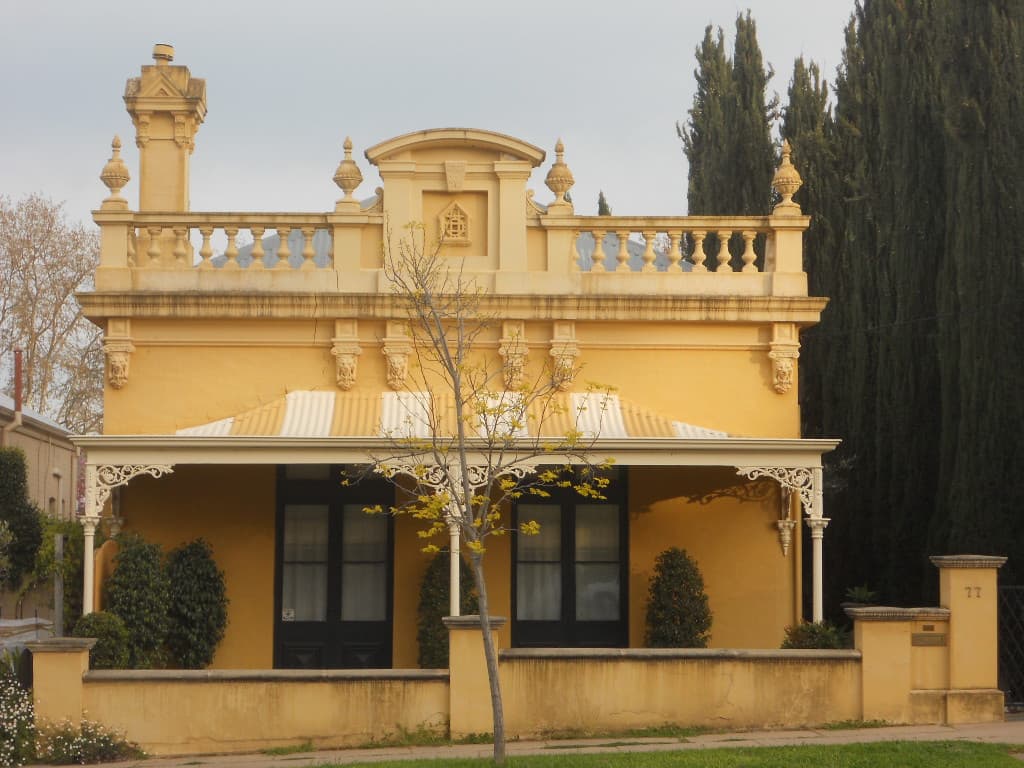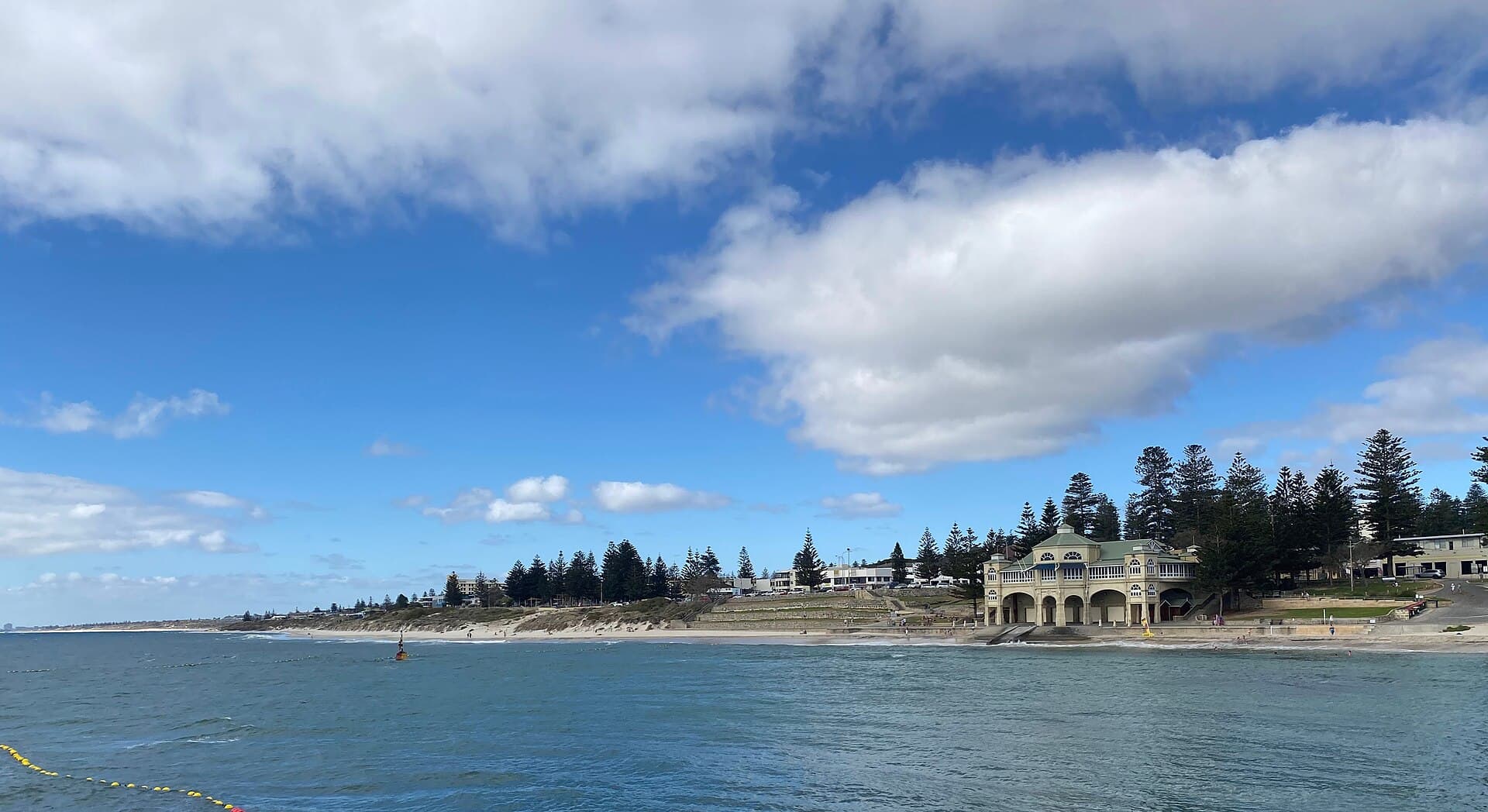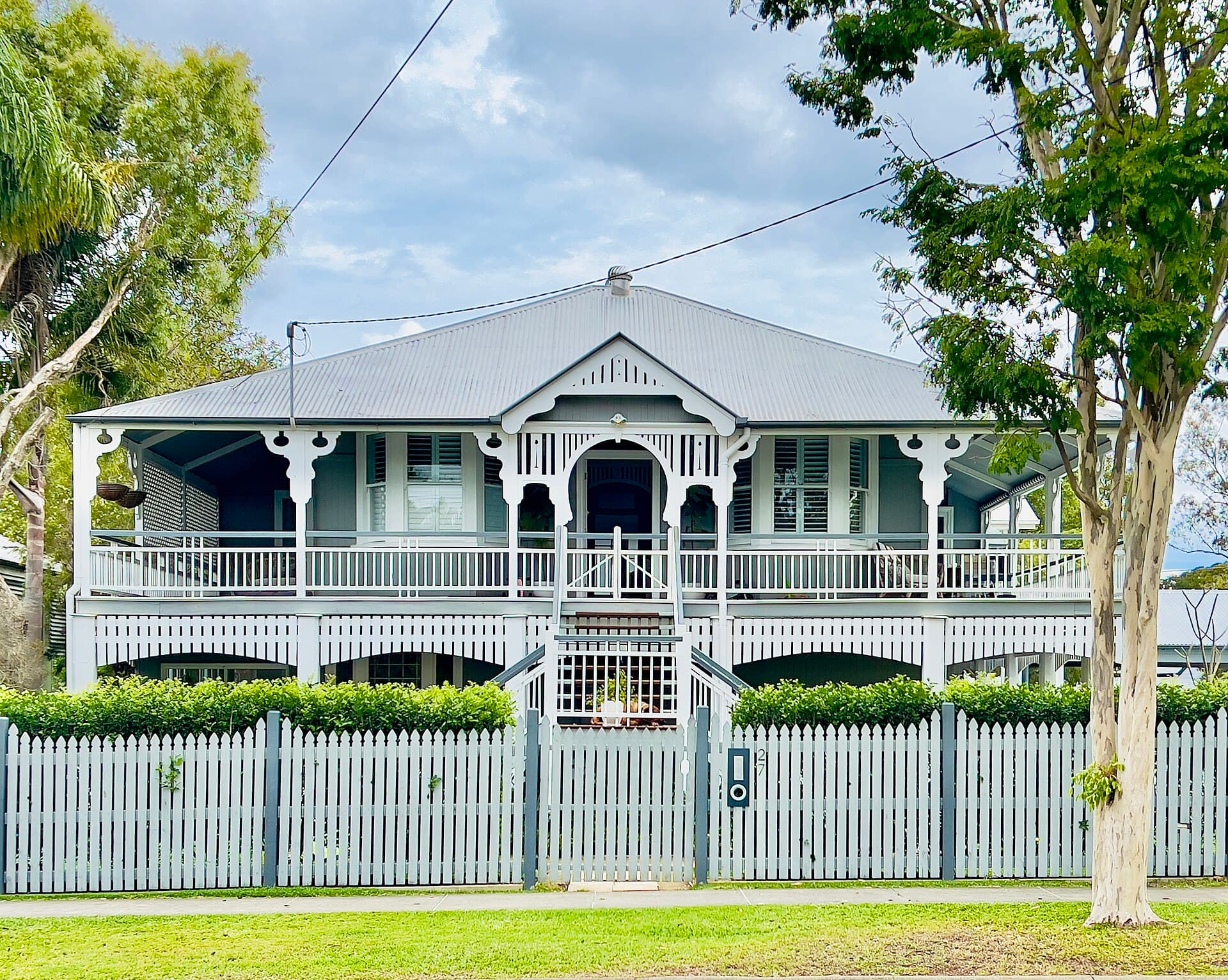
Canberra is the Australian city that was drawn before it was lived in. The suburbs have names and circles and a logic that still shows on a map: inner south pockets such as Griffith, inner north streets toward Braddon or Turner, then the planned town centres of Belconnen, Woden, Tuggeranong, Gungahlin and the newer western growth. A buyer's agent who treats Canberra as a small Sydney will miss the leasehold paperwork, the public-service calendar, and the way two neighbouring suburbs can feel like different towns after 6pm.
The second half of this guide is the rest of the country that is not a capital-city brand: regional New South Wales and Victoria, Hobart and regional Tasmania, Darwin and the Territory, and the large towns that sit a long drive from a capital office. The work changes twice. The licence has to match the jurisdiction. The kilometres have to be real. A charming east-coast firm that "covers regional" on a webpage is often offering a phone call and a hope.
This sits with the other city guides. Griffith, Belconnen, Hobart and Darwin appear as examples. They are not a ranked list of places you should buy.
Access Canberra, and the planned city
The Territory regulator is Access Canberra. Buyer's agency in the ACT is licensed work. Check the person and the entity on the Territory register before you sign an authority — the same licence habit as every other jurisdiction, pointed at the right database. A New South Wales licence that is valid in Queanbeyan does not, by proximity, cover a Griffith house. If a firm works both sides of the border, ask which licence applies to which file, in writing.
Canberra's housing sits on Crown leasehold rather than the freehold most interstate buyers grew up with. Your conveyancer will care about the lease purpose clause, the term, and any development conditions. A buyer's agent can flag that the conversation exists. They cannot replace the lawyer who reads it. They also cannot shrug and say "it's basically freehold" because that is the dinner-party version.
The stock is a planned mix. Inner south houses toward Griffith or Kingston can be older, tree-covered and tightly held. Inner north apartments and townhouses toward Braddon sit next to older houses in Turner. The town centres — Belconnen, Woden, Tuggeranong, Gungahlin — were laid out as places with their own shops and offices, which is why a commute across Canberra is not a Melbourne tram hop. Molonglo and other newer edges add estates that can have thin resale evidence. Winter frost, summer bushfire conversation and a genuine four-season year belong in a brief that was written by someone who has only visited in March.
Prices in Canberra sit in their own band — often discussed as firmer than many regional markets and different again from Sydney. Treat that as a qualitative city comparison, not as a median, and never as a forecast. Your number has to work on a particular street, with duty and the fee included.
Public-service relocations are a market fact
Canberra's calendar still includes the public service. Departments relocate people. Contracts end. A posting to Townsville or a return from Brussels is a settlement date, not a mood. That produces two kinds of client for a buyer's agent: the arriving household that has to be in a school catchment before term, and the departing household whose listing is not a lifestyle decision.
A useful agent will put those dates in the brief. They will test whether a vendor has already accepted a role, and they will not let you treat a three-week search as a six-month education. They will also tell you when a "must be close to Civic" brief is actually a "must be close to this building, on this bus, in this decade" brief. The planned city is full of people who discovered that the wrong town centre is a longer life than the map suggests.
Defence and university households sit in a similar pattern: real dates, unfamiliar suburbs, a tendency to over-weight the first open they attend. The hire is often less about finding a secret street and more about preventing a rushed, fully priced decision in the only week someone could fly in.
How Canberra campaigns run
The Territory uses both auction and private treaty. It is not Sydney's Saturday industrial calendar, and it is not a sleepy private-treaty village. Inner houses that selling agents think will draw a crowd still go to the hammer. A great many townhouses and apartments do not. Using a buyer's agent at auction is a real product on the days it is the method in front of you. Confirm the method; do not assume.
The buying process still wants an independent inspector who understands Canberra's older brick and its newer estates, and a conveyancer who has actually settled ACT leasehold. Cooling-off depends on the contract and the method. Auction buyers should not expect a pause they have not been promised.
Off-market in a city this size is often a phone call. The professional population is finite. Selling agents know the buyer's agents, and the other way around. That can get you into a house early. It can also get you into a house that is fully priced because everyone already knows it is scarce. Ask for the sales.
Regional Australia: the licence is the first filter
Once you leave the capitals, the mistake that costs people money is jurisdictional. Real-estate work is licensed by state and territory. A person who is allowed to act in New South Wales is not, by that fact, allowed to act in Tasmania or the Northern Territory. If the property is in Hobart or Launceston, the regulator you name is CBOS — Consumer, Building and Occupational Services. If the property is in Darwin or Alice Springs, the regulator is Licensing NT. If it is in regional Queensland, you are back with the Queensland Office of Fair Trading and property occupations licensing. Regional Victoria is still Consumer Affairs Victoria. Regional New South Wales is still NSW Fair Trading. Regional South Australia is still SA Consumer and Business Services. Regional Western Australia is still WA Consumer Protection.
Read that list again if you are about to hire a capital-city firm for a sea-change. The brand does not travel. The licence might, if they actually hold it. Many do not.
Travel is the second filter. A regional campaign is not a Zoom product. Someone has to walk the house, know which creek floods, know which high street has actually lost its doctor, and know which "comparable sale" was a family transfer. A buyer's agent who will fly in once and bid is offering a very thin version of the job. Ask who lives in the region, who drives, and how many files they have settled there in the last year — not "the last decade," the last year.
Comparable sales in a regional town can be scarce. That makes pricing harder, not more mystical. A good agent will show you the few sales that exist and the ways this house is worse. A poor one will tell you the town is "up and coming" and hope you do not ask for the file.
Fees, distance and the brief you should refuse
What a buyer's agent costs does not reset because the town is smaller. Industry commentary still cites a full-service band around 2 to 3 per cent plus GST, or a fixed fee. On a lower regional price, a percentage fee can be a modest cheque that does not cover the driving, which is how some capital firms either under-service the file or push a fixed fee that assumes a city search. Ask how travel is priced. Ask what happens if you do not buy. Ask what happens if you buy a house they never tabled.
There are briefs a Canberra or capital agent should refuse. A client who wants "something in the regions" with no town, no hospital, no airport and no number of nights they will actually spend there is not ready. A client who wants one agent to cover Hobart, Darwin and a Riverina farm is not buying a service. They are buying a slogan. Split the work, or do not hire.
When the hire is worth it
In Canberra, hire one if you are relocating on a public-service or Defence date; if leasehold and town-centre geography are not yet a language you speak; or if you will only be in the Territory for one long weekend and need the opens already walked.
In the regions, hire one if they are licensed in that state or territory, actually travel, and can show recent local settlements. Do not hire a visiting brand for a town they cannot name three streets in.
Start with Access Canberra for a Territory purchase, and with CBOS, Licensing NT or the matching state regulator for everywhere else. Then write a brief that includes the date you have to be in the house. Planned cities and regional towns both punish people who treat time as flexible. The licensed person you hire should not be one of those people.