Melbourne is the Australian capital that refuses to pick a single way of selling a house. One Saturday you can watch a packed auction on a weatherboard in the inner north. The same afternoon a family brick house a few kilometres west can be sitting on a private-treaty campaign with a price that is actually a price. A buyer's agent who treats the whole city as "Melbourne auctions" will waste your Saturdays. One who treats it as a gentle private-treaty town will walk you unprepared into a hammer.
The housing itself is a mix, not a brand. East Melbourne terraces, Brunswick weatherboards, bayside flats, brick veneers in the east, and newer estates on the growth edges are all ordinary Melbourne stock. None of them is "the market." Prices sit below Sydney's typical level and above many other Australian cities, but that is a qualitative ranking of cities, not a median you should paste into a brief. Your number has to work on a particular street, with stamp duty and the agent's fee included.
This piece sits in our city guides. Fitzroy, Footscray, Camberwell and Point Cook appear as examples of how the work changes. They are not a ranked list, and they are not a recommendation.
Consumer Affairs Victoria holds the licence
The regulator in Victoria is Consumer Affairs Victoria. A buyer's agent is an estate agent. They must be licensed, or they must be an agent's representative employed by a licensed estate agent, and the work must be Victorian work. A Sydney firm that "covers Melbourne" through a phone and a weekend flight still needs a Victorian ticket for the search, the negotiation and the bid.
Confirm the name on the licence check matches the authority and the person you will meet at the open. Consumer Affairs Victoria's public register is the source, not a logo on a tea towel. Ask who supervises a representative. Ask whether the firm also lists property. The rule that matters is the same as everywhere else in the country: they work for you, and they must not also act for the seller on the same dwelling.
Victorian consumer pages also tell you to ask about referral fees — to brokers, to inspectors, to anyone else on the file. Get the answer in writing before you sign.
Auction and private treaty, often on the same tram line
Melbourne's selling culture is a split screen. Inner-north and inner-south streets, much of the east, and the bayside strip still default to auction for houses that selling agents think will draw a crowd. Further out — a family home toward Werribee, a townhouse in a northern growth pocket, a unit that has already been passed in twice — private treaty is ordinary, and sometimes quieter than the portals imply.
That split is why using a buyer's agent at auction is only half the Melbourne product. The other half is private-treaty negotiation: reading a campaign that has been on the market for five weeks, testing whether the vendor has already bought, and writing an offer that can survive a conveyancer's notes on the section 32.
A few local bones. The section 32 vendor statement is not optional reading. It is the document that should tell you about title, restrictions, services, owners-corporation matters and a list of other disclosures your lawyer will care about more than your agent will. Auction purchases in Victoria, as in New South Wales, typically do not come with cooling-off. Private-treaty purchases often do. The buying process changes its tempo with the method. It does not change the need for an independent inspector and an independent conveyancer.
Passed-in auctions are part of the Melbourne week. A house that fails to meet the reserve on Saturday can be a private negotiation by Sunday. A buyer's agent who only knows how to bid, and not how to reopen a conversation after the crowd leaves, is missing a large part of this city.
Stock you will actually walk
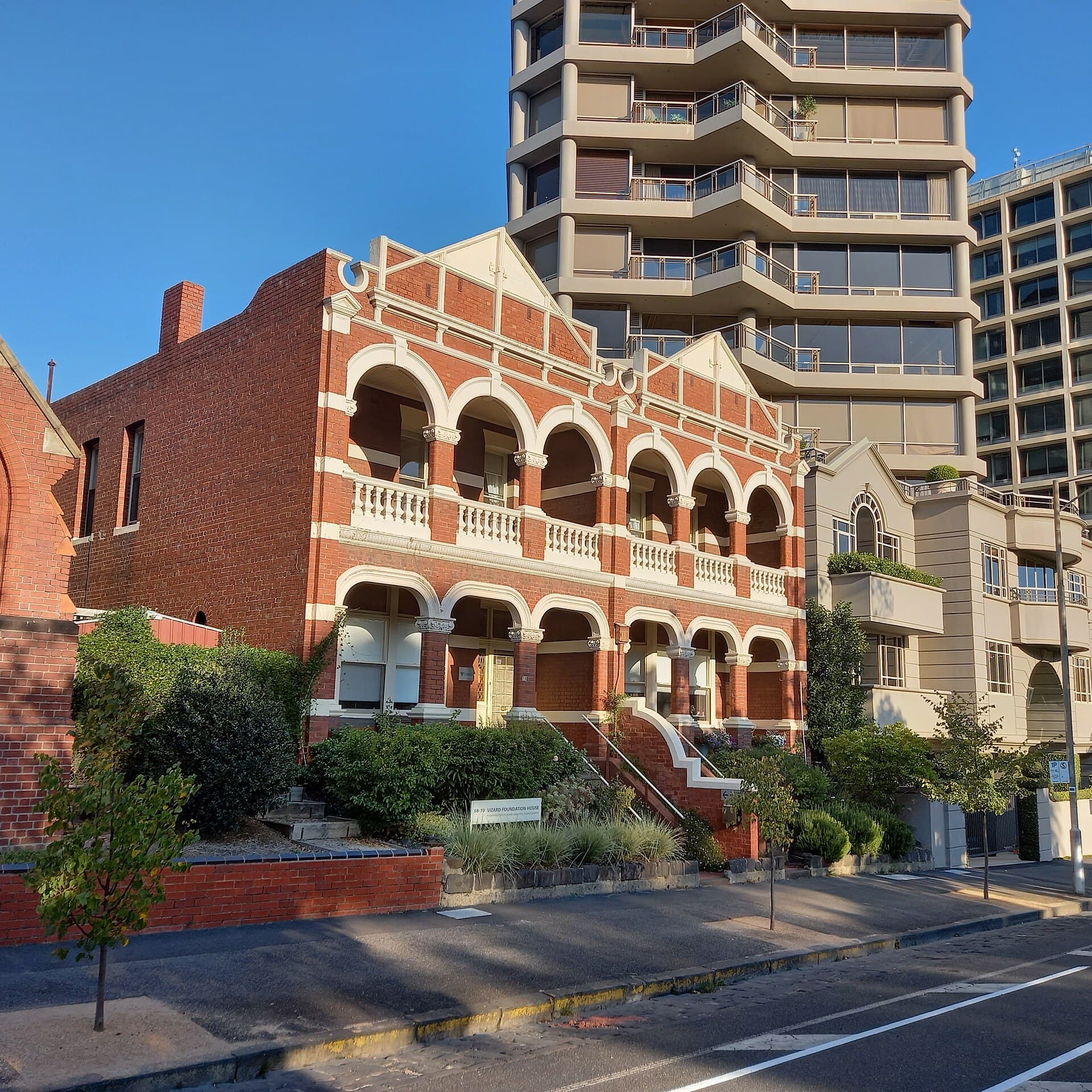
Speak in buildings. A terrace pair in East Melbourne or a Victorian in Carlton is narrow, often heritage-listed, and expensive to alter. A weatherboard cottage in Brunswick or Northcote can be charming in October and a painting-and-stumping project by the time you settle. An art-deco flat in St Kilda or Elwood can have the aspect and the tram, and an owners corporation that has deferred the same special levy for a decade. A Californian bungalow in Camberwell or Malvern is a different brief from a 1970s brick house further east, even if both photograph as "family home, leafy street."
The growth edges are not a lesser Melbourne. They are a different one. Newer estates toward Point Cook or Doncaster come with different questions: builder warranties if the house is young, estate covenants, commuting time that a portal map will flatter, and a comparable-sales set that can be thin if the street is still being finished.
Trams, school zones and a hatred of the Monash in winter do more work in a Melbourne brief than people admit in the first meeting. An agent who lets you name eight suburbs across two train lines without pushing back is taking a retainer, not writing a search.
How the campaign feels on the ground
A full search here still starts with a written brief and a walk through recent sales — not suburb medians, sales. Melbourne buyers love a narrative about "the north" or "the east." Sales do not care. A particular street of brick houses can trade in a completely different band from the weatherboards two blocks away.
Shortlisting is where a good agent earns the quieter part of the fee. They will reject the house whose "north-facing living" is a lightwell, the unit whose owners-corporation minutes read like a war, and the cottage whose stumps will not survive a building report. They will book inspectors who will actually get under the floor. They will send the section 32 and the contract to your conveyancer early enough that you are not speed-reading on a Friday.
Off-market listings exist in Melbourne, as they do everywhere. They are not automatically cheaper. In a city that already sells a lot of property quietly after a passed-in auction, "off-market" can just mean "the selling agent called three people they already know." Useful. Not magic.
What the fee buys in a split market
Buyer's agent costs in Melbourne sit in the same industry-reported band you will hear nationally — often around 2 to 3 per cent plus GST for a full service, or a fixed fee instead. That is commentary, not a quote, and not a legal scale. Because Melbourne prices typically sit under Sydney's, a percentage fee can be a smaller cheque here for a similar house. It can still be a large one. Ask for a single GST-inclusive figure, an engagement-fee rule, and a termination clause you can read without a headache.
Auction-only and negotiation-only packages are common, and they suit this city. Many buyers have already done the weekend circuit. They need someone who can price a passed-in weatherboard on a Sunday, or hold a paddle the following Saturday. Be precise in the authority about which of those you are buying.
When the hire makes sense
A Melbourne buyer's agent is worth considering if you cannot do the Saturday circuit; if you are moving from interstate and the difference between a Brunswick cottage and a Footscray brick is not yet in your bones; if school-zone and tram-catchment constraints have already made your brief too tight to search casually; or if you know you go quiet when an auctioneer looks at you.
It is less useful if you have already chosen the house, the campaign is a calm private treaty, and your conveyancer is already on the section 32. In that case a short negotiation retainer — or no agent — may be the adult decision.
Start with Consumer Affairs Victoria, a conflict check, and a brief that names the method you are willing to buy under. Melbourne will sell you a house by hammer or by email. The licensed person you hire should be fluent in both, and honest about which one you are in.