"Off-market" is the most overworked phrase in Australian buyer's agency. It is used to mean a house that has not yet been advertised, a house that was advertised and then withdrawn, a house a vendor will only show to a short list, and, too often, a house that is simply not on your phone because you do not know the selling agent. Those are different animals. Only one of them is a bargain, and even that one is a bargain only if the price, the contract and the building survive daylight.
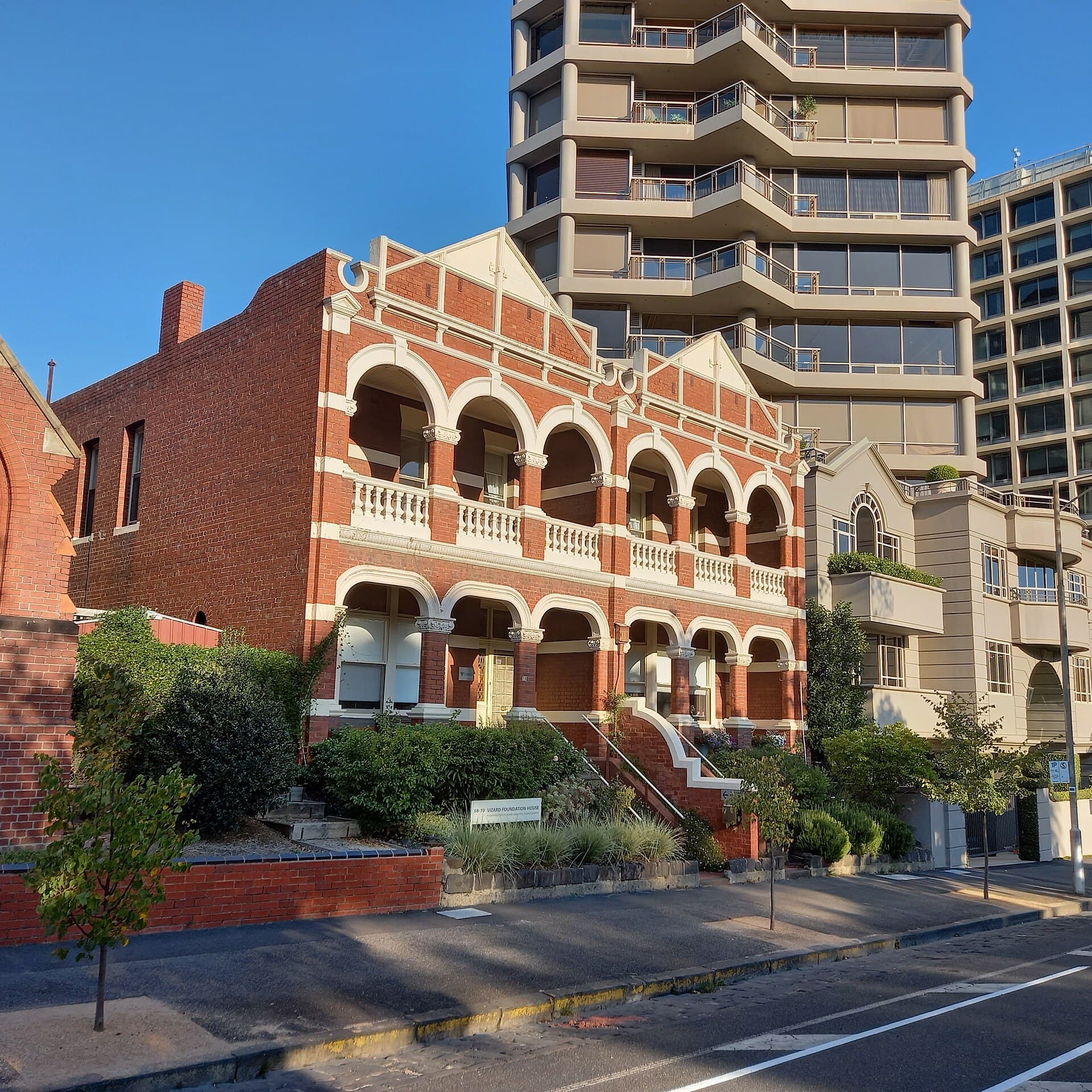
A buyer's agent — a licensed professional engaged by the buyer — can be useful in this part of the market because selling agents already know them, and because they will take the 7am call that a private buyer never receives. That is access. It is not alchemy. A Federation terrace in East Melbourne that never appears on a portal can still be priced for a campaign that never happened. Treat off-market stock as a method of finding inventory, not as a discount aisle. If a firm leads with guaranteed bargains, stop reading their brochure and start reading red flags when hiring a buyer's agent.
This guide sits in our buying process hub. It explains how quiet listings actually move, what a buyer's agent can honestly claim, and which parts of due diligence do not change just because the board never went up. For the job description around the search, see what a buyer's agent does. For the money conversation, see the fees hub.
What "off-market" usually means on a real file
The cleanest version is a property that has not been publicly advertised and is being shown to a handful of buyers, often through selling agents who already have a relationship with the vendor. The vendor may want privacy, a tenancy that should not be disturbed, or a sale before a messy campaign. The selling agent may want a quieter path to a result. None of that tells you the price.
A second version is the pre-market listing: photographs are being shot, a campaign is being designed, and the selling agent will take an offer now if it is strong enough to avoid the dance. You are not discovering a secret. You are being asked to pay campaign-day money without campaign-day competition — or, sometimes, with competition you cannot see.
A third version is the withdrawn listing. The house was on Domain, it did not sell, and it has been taken down so the vendor can reset. It may now be cheaper. It may also be stale for a reason a building report will name in the first three pages.
A fourth version is not off-market at all. It is a listing you have not seen because your saved search missed a suburb, a price band, or a spelling. A buyer's agent who bills this as exclusive access is billing you for literacy.
Hold onto that taxonomy when a firm talks about "our database". Ask which of the four they mean, on the last three purchases, with suburbs and outcomes. A professional will answer. A brochure will change the subject.
How buyer's agents actually find quiet stock
The unromantic tools are a phone, a file of selling agents, and a brief precise enough that those agents can recognise a match. Full-service firms spend their mornings doing this. They call listing agents they already know, they hear about deceased estates before the copy is written, they hear about vendors who bought first and now need to sell, and they hear about properties that will be advertised in ten days if nobody makes a sensible offer this week.
That network is real. It is also not unique. Several licensed buyer's agents in the same postcode will often hear about the same house. The advantage, when there is one, is speed and filtering — being able to say no quickly to a floorplan that does not fit, and yes quickly to an inspection at 7.30am — not a private catalogue of underpriced homes.
Some stock comes from relationships with vendors who already used the buyer's agent, or from other buyers who dropped out. Some comes from developers and off-the-plan campaigns that prefer not to look unsold. Be careful there. A "buyer's agent" who is paid by the developer, or who hopes for your future listing, is a different animal from an exclusive buyer advocate. Exclusive buyer agents should not take vendor commission on the same deal. If the quiet listing is being shown because someone on your side of the table is also being paid by the seller, you do not have an off-market opportunity. You have a conflict. Read buyer's agent versus selling agent before you take that meeting.
Price is still the work
The pitch is that a vendor who skips a public campaign will take less. Sometimes they will, because they value certainty, privacy or speed. Sometimes they will not, because they have been told the house is special and the short list is a way to test a full price without the humiliation of a failed auction. Your job — or your agent's job — is to tell those two stories apart with sales, not with adjectives.
Ask for the comparable sales the agent is using. Ask what would have to be true for this number to be a stretch. Ask what happens if you wait for the public campaign. A house that is genuinely underpriced will not wait. A house that is fully priced will often reappear with a board out the front, which is useful information if you can stand to lose it.
Negotiation on off-market files is usually private treaty in slow motion: price, conditions, settlement, inclusions, and whether the vendor will wait while you complete inspections. There is no crowd to hide in. That can be an advantage. It can also mean you are the only number in the vendor's week, which is a different kind of pressure.
Due diligence does not take a week off
Because a quiet listing can feel like a favour, buyers skip steps they would not skip on a Saturday auction. That is the wrong instinct. Building and pest inspections remain the buyer's choice and remain strongly advisable. A vendor who wants a silent sale may also want a silent building. An agent who tells you there is no time for a report is telling you the deal is designed around the vendor's diary, not yours.
The contract still needs a solicitor or conveyancer. Off-market paperwork is not simpler because the photographs were never public. Special conditions, tenancy details, easements and inclusions are still in the document. If the method of sale is private treaty, a cooling-off period may still apply, and it varies by state — New South Wales commonly uses five business days, Victoria three clear business days, and some states have no statutory cooling-off at all. If the sale is run as an auction, or on auction terms, cooling-off will generally not apply. Readers must confirm the current rule for the state and the contract in front of them. Our cooling-off article is the high-level map, not the advice.
Finance still needs to match the price. Lenders do not offer a special product for houses that were whispered about. If you are stretching because the listing feels exclusive, you are paying a premium for atmosphere.
How to test an off-market pitch before you sign an authority
Ask how many of the firm's last ten purchases were truly unadvertised, how many were pre-market, and how many were withdrawn. Ask whether the success fee is still payable if you find the home yourself on a portal the following week. Unclear success fees on self-found properties are a recurring dispute; get the clause in writing. Ask whether the agent is licensed in the state where they are searching. Licence registers exist in each state and territory. REBAA membership is a professional association signal, not a substitute for the register and not a regulator.
Then write a brief that can survive the absence of a miracle. If the only way the brief works is an under-market house that never appears online, the brief is wrong. A good agent will say so in the first meeting, and will push the radius, the property type or the budget until the search is a search rather than a treasure hunt. That conversation is worth more than a rumour about a terrace that "might come up".
When off-market help is worth paying for
The work earns its keep when you cannot watch the market every morning, when you are buying from interstate, when the brief is unusual enough that selling agents will not guess it from a portal alert, or when you need someone who will decline a whispered listing that is fully priced. It is less useful when you already walk the streets, you already know the selling agents, and the stock you want is advertised every weekend. In that case you may want negotiation-only help, or no agent at all.
Quiet listings will keep being part of the pitch, because they sound like a club. The adult version is smaller: a licensed person, paid only by you, who hears about houses a few days early and is willing to tell you that early is not the same as cheap. Hire that. Leave the secret catalogue on the brochure.
The short version
Off-market property is inventory that has not been publicly advertised, or not advertised yet, or was advertised and pulled. It is not automatically cheaper. A buyer's agent finds it through relationships and speed, then still has to price it, inspect it and read the contract. Exclusive buyer agents should not also be paid by the vendor. Guaranteed bargains, pressure to skip inspections, and a success fee that bites if you find the house yourself are reasons to walk away from the agent, not reasons to sign faster.