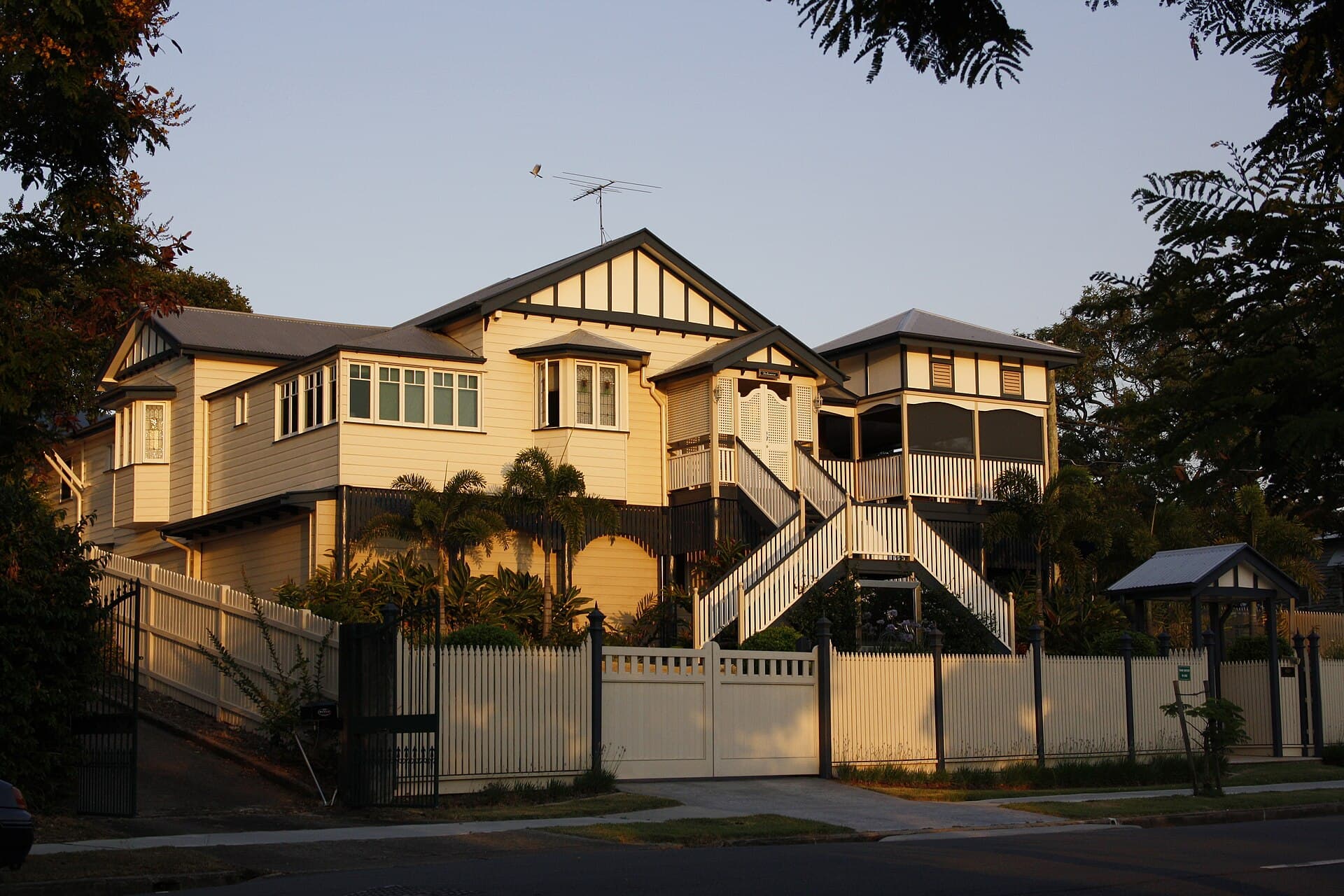
A Queenslander can look honest from the street and still be a conversation between timber and weather that you are not part of. Tiles sit on roofs that have moved. Bathrooms sit on wet joists. Termites do not care that the styling was expensive. Building and pest inspections exist because residential buyers are otherwise asked to take a multi-hundred-thousand-dollar structure on a walk-through and a feeling.
They are the buyer's choice in every Australian state and territory. Nobody can make you get one. They are also strongly advisable. That pairing — optional, and unwise to skip — is the whole policy. A licensed buyer's agent should treat it as default project management, not as a personality test you fail if you are "too cautious". Pressure to skip inspections is one of the oldest red flags in the business.
This guide sits in our checks hub. It covers when to inspect, who hires the inspector, what a report can and cannot do, and how the method of sale changes the diary. It is not a substitute for the report, for Australian Standard limitations, or for advice from your solicitor. If you want the campaign context, read the buying process hub alongside it.
Optional does not mean decorative
Selling agents will sometimes describe a vendor-supplied report as "already done". Sometimes it is a genuine pre-purchase inspection. Sometimes it is a lighter document prepared for the campaign. Either way, the client of that report was not you. You may still use it as a starting point. You should still decide whether you want your own inspector, with your own instructions, and with professional indemnity that points at your loss rather than at a vendor's marketing file.
Buyer's agents who say "we only use independent inspectors" are saying the right sentence. Ask what independent means. Who pays. Who receives the report first. Whether the inspector is told the agent's preferred outcome. A usual shortlist can be a quality filter. It can also be a comfort filter for vendors. You want the first. Put in writing that you are the client.
The agent is not the inspector. They are not a licensed builder by virtue of holding a real estate licence. They can walk a property and tell you the lightwell is not north-facing. They cannot certify a roof. Our what a buyer's agent does piece draws that line on purpose. Do not let a confident Saturday blur it.
Auction diaries and private-treaty diaries are not the same
Auctions generally have no cooling-off period. That is the diary. If you are going to bid, the building and pest work belongs in the days before the hammer, not in a fantasy week afterwards. A good buyer's agent books the inspector as soon as the property is a serious contender, attends if you ask, and is willing to spend a few hundred dollars of your money to avoid a few hundred thousand dollars of surprise. If there is truly no access before Saturday, the adult move is often to let the auction proceed without you. Missing a house is painful. Buying an uninspected one because the room was noisy is a different category of pain. See using a buyer's agent at auction.
Private treaty is kinder only if you use the kindness. In several states a cooling-off period exists after exchange. New South Wales commonly allows five business days on many residential private-treaty sales. Victoria commonly allows three clear business days. Other jurisdictions differ, and some have no statutory cooling-off at all. Readers must confirm the current rule. Even where the window exists, it is a poor place to begin a report. Inspectors are busy. Weather closes roofs. A three-day window that includes a public holiday is not a plan; it is a hope. Inspect before you exchange when the vendor will allow it. If they will not, that is information. Negotiate access as part of the offer, not as a favour you request after you are emotionally committed.
Off-market listings attract the worst version of this pressure, because the listing is dressed as a favour. A quiet house can still have a loud subfloor. See off-market properties.
What the reports actually do
A pre-purchase building inspection, done properly, is a visual assessment of accessible areas against a standard. In much of the country that standard is the relevant part of AS 4349. It is not a warranty. It will not see behind tiles. It will not predict a future leak with certainty. It will not turn a tired house into a new one. It will name defects that are visible, rank them in a language you can take to a builder, and tell you where the inspector could not go. Those limitations are the point of reading the first pages rather than only the summary.
A timber pest inspection is a different ticket, often sold as a combined building-and-pest product. Combined can be efficient. Combined can also mean a pest pass that was shorter than a dedicated inspection. Ask what you are buying. In Queensland, Western Australia and other termite-prone markets, treating pest as an afterthought is how people buy a food source with a postcode.
Neither report is a valuation, a survey, a pooling certificate, a strata inspection, or a methamphetamine test. Strata reports, in particular, are their own industry. A buyer's agent who bundles "due diligence" into one phrase may be bundling six jobs. Unpack them.
Cost sits in the hundreds of dollars, not the tens of thousands. People skip it because of time and superstition, not because of the invoice. If a full-service fee is 2 to 3 per cent plus GST of a seven-figure purchase, arguing about a building report is a category error.
How a careful agent runs the file
They keep a shortlist of inspectors who actually return calls. They book as soon as you are serious. They send the contract to your conveyancer the same day, because a building report without a lawyer is only half a file. They do not sit on a bad report hoping you will not read page twelve. They help you sort "fix before you buy" from "price it in" from "walk". Walking is a successful use of a report.
They should not commission work you did not authorise, and they should not bury the invoice in a disbursements fog. You should see the inspector's name, the standard they worked to, the insurance, and the PDF. If the agent summarises orally and the PDF arrives after you have already offered, ask why.
At settlement there will be a final inspection. That is a different visit. It checks that the property is still in the condition the contract promised and that the inclusions have not grown legs. It is not a second pest report. Do not skip the first inspection because you have heard there is a last one.
Independence, licences and the rest of the checks
The inspector should be independent of the vendor and of the selling agent. Membership of a recognised professional body and evidence of insurance are reasonable asks. Licensing of inspectors is not as uniform as licensing of real estate agents; do not confuse a builder's licence, a pest licence and a membership logo. In Queensland, building work sits in a QBCC world that is not the same as the Office of Fair Trading register you use for the buyer's agent. Check each person for the job they are actually doing.
The buyer's agent themselves must be licensed in the relevant state. Licence registers exist in each state and territory. REBAA is a professional association, not a regulator, and not an inspector's ticket. Exclusive buyer agents should not take vendor commission on the same deal; a person paid by the seller is poorly placed to insist on a report the seller would rather you did not have.
If the agent cannot explain, in a sentence, when they last walked away from a house because of a report, they may not walk away from yours.
When you might proceed without one — and how honestly to do it
There are edge cases. You are buying the land and will demolish. You are an owner-builder who has already crawled every cavity. You had a full inspection last month on the same contract and nothing has changed. Even then, write down why you are skipping it, and do not let a selling agent's urgency invent a fourth case called "we will lose it".
Many buyers who do not need a full-service buyer's agent still need this report. If the campaign is quiet and you have found the house yourself, paying a negotiation-only fee and an inspector can be a better split than paying a percentage for a search you already did. See when you do not need a buyer's agent. The inspection does not become optional because the advocate did.
The short version
Building and pest inspections are your choice and strongly advisable. Book them before an auction, because you will generally have no cooling-off. Book them before private-treaty exchange when you can, and do not treat a short statutory window as a workshop. A buyer's agent coordinates; an independent inspector reports; a lawyer reads the contract. Anyone who needs you to skip the report to save the deal is saving a different deal from yours.